
Netanyahu and Opposition Blocs Face Off in Knesset Election
Fifteen lists compete for 120 seats today, with a 3.25 percent threshold deciding the fate of several fringe parties.
By Hector Medina ·
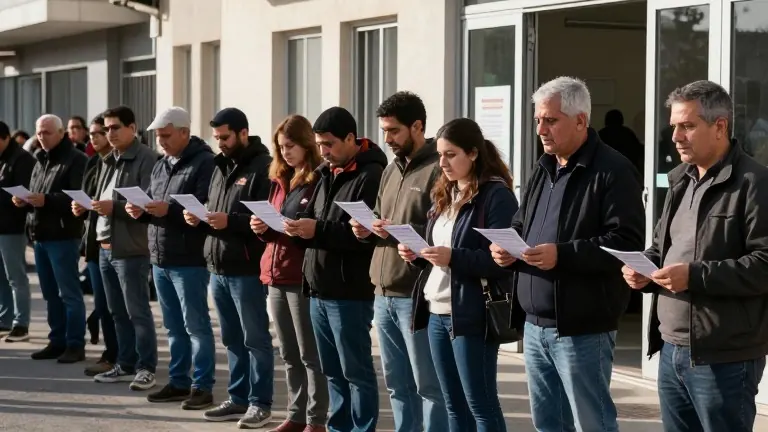
Prime Minister Benjamin Netanyahu and his rivals cast their ballots today as Israelis choose the next Knesset. The election pits the sitting right-wing coalition against a united opposition bloc, with the outcome hinging on a strict 3.25 percent electoral threshold.
The contest features fifteen distinct lists. Netanyahu leads Likud, a right-wing party that emphasizes Jewish nationalism and opposes Palestinian statehood. He is joined in the coalition by National Security Minister Itamar Ben-Gvir’s Otzma Yehudit, which advocates for expanded settlements. Finance Minister Bezalel Smotrich’s Religious Zionist Party-Zehut also runs in this bloc, pushing for sovereignty in the West Bank and judicial reform.
The religious parties Shas and United Torah Judaism round out the Netanyahu bloc. Both prioritize maintaining exemptions from military service for yeshiva students. Shas represents Sephardi and Mizrahi communities, while United Torah Judaism represents Ashkenazi communities. Their continued support is central to the prime minister’s strategy.
The opposition bloc is led by former Prime Minister Naftali Bennett’s B’Yachad. This centrist list focuses on government reform and the enlistment of ultra-Orthodox men in the IDF. It competes with Gadi Eisenkot’s Yashar, a centrist party led by a former IDF chief of staff that seeks to replace Netanyahu. Yair Golan’s Democrats, a left-wing Zionist party, also runs in this group, emphasizing civil rights and equality in military service.
Avigdor Liberman’s Yisrael Beytenu completes the main opposition field. The secular nationalist party supports a tougher stance against Hamas and seeks to reduce the influence of religious parties in government.
Arabic Israeli politics is represented by two separate lists. The Joint List, which leans left, emphasizes Palestinian national rights and civil equality. Mansour Abbas’s Ra’am takes a pragmatic approach, focusing on crime and funding for Arab communities. These lists do not run in a single bloc but hold their own ballot positions.
Three lists hover near the 3.25 percent threshold required for parliamentary entry. Recent polls place the People of Israel party, led by former general Ofer Winter, near the cutoff. The party supports Netanyahu but demands haredi enlistment. The Reservists-Economic Party, led by Yoaz Hendel and Yaron Zelekha, combines security and economic reform agendas. Moti Leitner’s Haredi Public Party offers an alternative to Shas and United Torah Judaism by calling for broader national service and core-curriculum studies.
Ballot letters identify each list, ranging from Likud’s letters to Yashar’s and the Democrats’ designations. Voters must select from these fifteen options to determine the balance of power in the next legislature.
Source: The Jerusalem Post