DRC Ebola cases pass 9,800 as attack kills nurse in Bafwasende
The World Health Organization confirmed the death of a health worker in Tshopo province on Sunday, marking a new high in the deadliest Ebola outbreak in the country's history.
By Yuna Lee ·
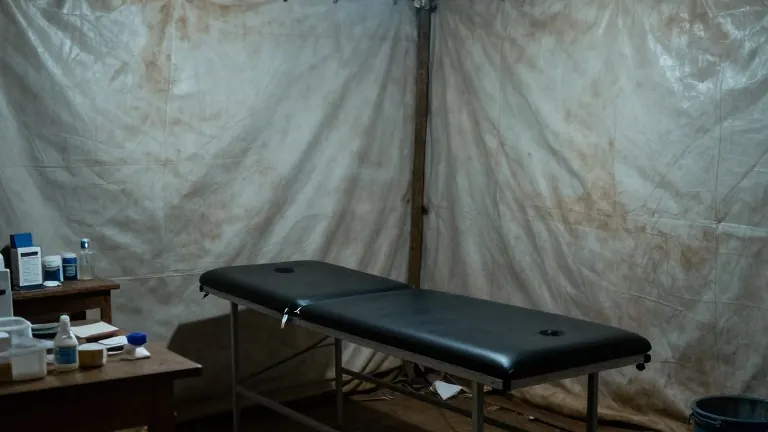
More than 9,800 cases have been recorded in the Democratic Republic of the Congo since the Ebola outbreak began in May, a toll that includes over 4,700 deaths. The World Health Organization announced this week that a nurse was killed and another health worker seriously injured in an attack in Bafwasende, a town in the eastern province of Tshopo.
The assault took place on Saturday while the medical team was responding to an Ebola alert. WHO Director-General Tedros Adhanom Ghebreyesus confirmed the incident in a post on X on Sunday. "Everyone working to protect communities from this deadly disease must be able to work in dignity and safety. Healthcare must always be protected," Ghebreyesus wrote.
Dr. Mohamed Yakub Janabi, the WHO regional director for Africa, also condemned the violence. "Health is NOT a target," Janabi stated. He added that misinformation and fear should not drive violence against responders. Local authorities have not yet commented on the attack or identified any suspects.
This killing follows a pattern of violence against health workers in the region. In September, a politician in North Kivu was beaten to death after defending the government's response on a radio show. In May, residents set fire to tents at two health centers in separate attacks within one week. Responders report that distrust of the government and chronic corruption have complicated their work, with some communities dismissing the virus as a hoax.
The outbreak has expanded to four countries across eastern, central, and western Africa. On Sunday, Uganda's Minister of Health Chris Baryomunsi announced that all citizens returning from the DRC will be quarantined for 21 days. Uganda declared its latest outbreak over in July, but two people who passed through the country later tested positive in Kenya and Nigeria.
The Bundibugyo strain causing the current crisis has no approved vaccine or specific treatment. The WHO notes that symptoms can appear up to 21 days after exposure. In an update on October 23, the agency called for stronger monitoring and cross-border cooperation while advising against travel or trade restrictions on affected nations.
Source: Al Jazeera