Mandelblit Testifies on Scope of Police Authority in Netanyahu Trial
The former attorney-general told the court that investigators had broad permission to probe gifts and did not need to seek approval for every single interview.
By Hector Medina ·
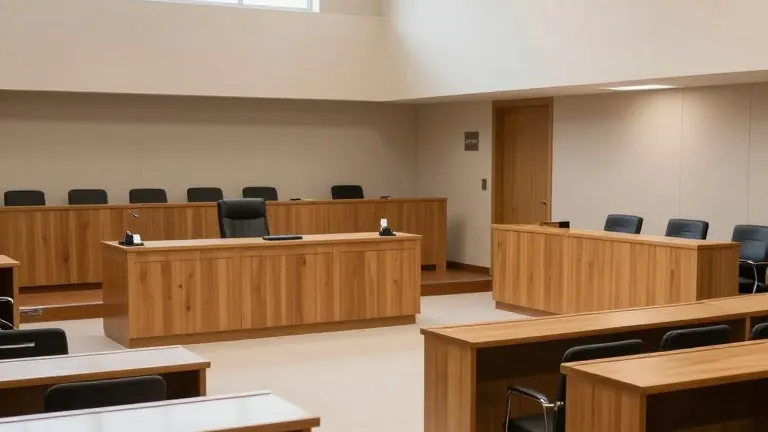
Avichai Mandelblit sat in the witness stand at the Jerusalem District Court on Monday to address a core legal dispute in the trial of Prime Minister Benjamin Netanyahu.
The defense is using Mandelblit’s testimony to challenge the scope of the investigative powers granted to police. They argue that investigators may have exceeded the specific approvals Mandelblit provided when he served as attorney-general. Hadad, Netanyahu’s lawyer, pressed the former official on exactly which steps required his consent and which fell within the original mandate.
Mandelblit authorized the initial probes and later approved the indictment. On Sunday, he explained why he ordered a halt to the wiretapping of Natan Eshel, a close aide to the prime minister. Although the police held a court warrant, Mandelblit stated that the sensitivity of Eshel’s role demanded prior approval from his office.
The hearing on Monday shifted focus to Case 1000, which centers on allegations that Netanyahu received expensive gifts from businessmen Arnon Milchan and James Packer. The defense questioned whether police overstepped their authority when they interviewed Hadas Klein, Milchan’s assistant, and Yonatan Hasson, Packer’s driver, regarding those gifts.
Mandelblit countered that his permission was broad enough to cover these interviews. He argued that he had authorized an examination of suspicions that Netanyahu gained substantial benefits from businessmen. He maintained that this permission remained active, meaning investigators did not need to return to him for sign-off on each individual action.
Judge Moshe Bar-Am asked how police could distinguish between actions covered by the initial authorization and those requiring new consent. Mandelblit replied that the subject matter defined the boundary, while major developments would trigger a need for further consultation. The trial, which began in May 2020, involves three cases of alleged fraud and breach of trust. Case 4000 includes a bribery charge related to benefits for Bezeq in exchange for media influence. Netanyahu denies all wrongdoing.
Source: The Jerusalem Post